

Cooperation, Growth and Sustainability in a New Era


Event photos from Cooperation, Growth and Sustainability in a New Era
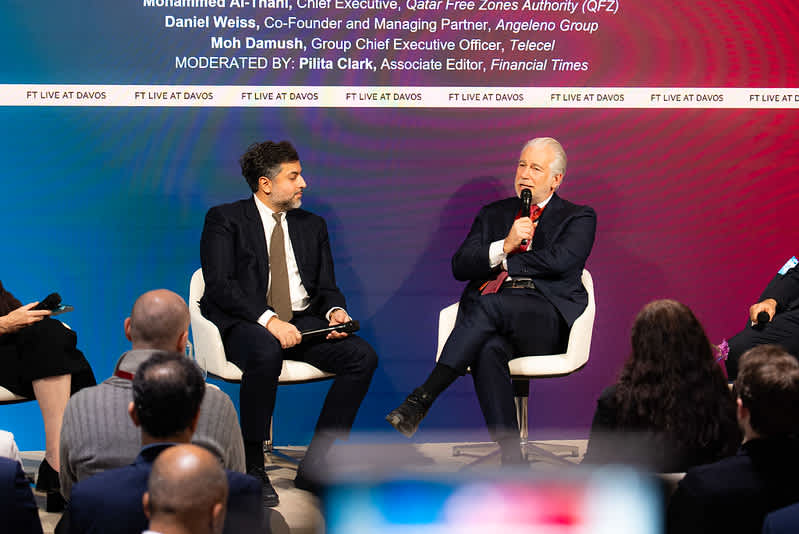
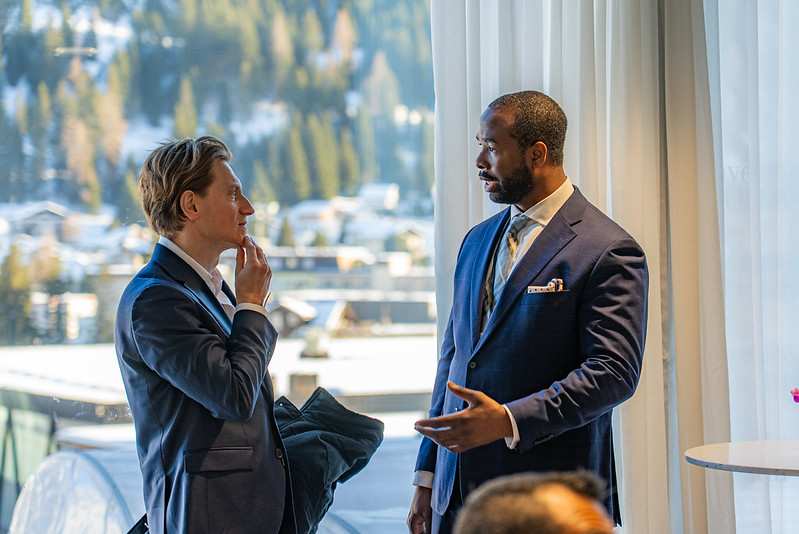
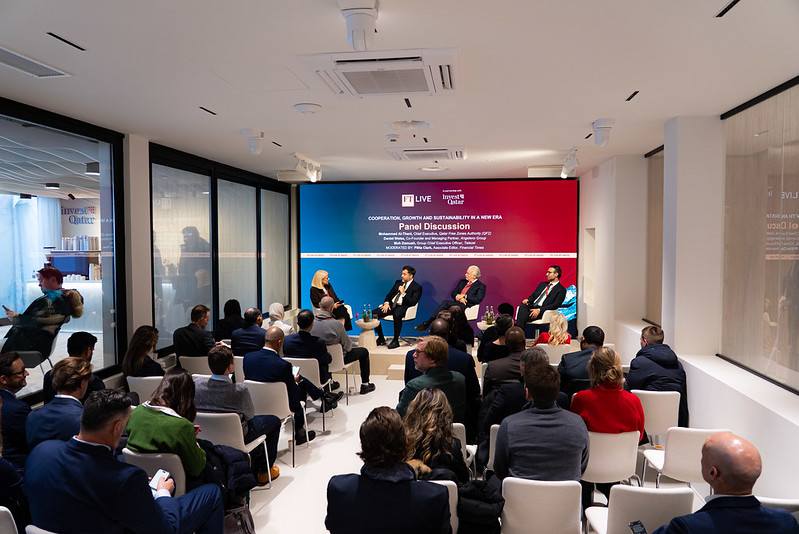
Second in the three-part Davos series on shaping a more inclusive, sustainable global economy.
Hosted at the Invest Qatar Pavilion in Davos during the World Economic Forum Annual Meeting 2026, this three-session programme explored how innovation, regulation and resilience intersect to shape the global economy of the future.
Global leaders convened to examine how countries and companies can cooperate in a contested world, unlock new sources of growth, deploy innovation at scale and responsibly, invest in people and build prosperity.
This Financial Times event, hosted in partnership with Invest Qatar, session two explored how connectivity, trade and tourism can deliver sustainable growth in an uncertain geopolitical landscape. In a fireside chat, Saad Bin Ali Al Kharji discussed how destinations can balance expansion with responsibility, leveraging digital platforms and AI to improve efficiency while embedding environmental stewardship. The panel explored how supply chains, free zones and logistics networks are evolving toward proactive, low-carbon, innovation-driven models focusing on transparency, cross-border partnerships and the metrics that define resilient, competitive and sustainable connectivity for the decade ahead.
Key Discussion Points
Collaborative Travel
How can tourism strengthen collaboration amid volatility?
Next-Gen Hospitality
What innovations are reshaping mobility and hospitality?
Sustainable Growth
How do strategies align commercial goals with environmental responsibility?
Other Events In The Series
Why Attend?

Understand
The big picture, not just the individual strands of the business you work in

Connect
And build relationships with some of the biggest names in your industry

Discover
New approaches and strategies to help win market share
We’re Here To Help
Frequently Asked Questions
FT Live at Davos

View all the FT Live events taking place around the World Economic Forum’s Annual Meeting
19-23 January 2026
© Financial Times Live
FT Live and its journalism are subject to a self-regulation regime under the FT Editorial Code of Practice


